
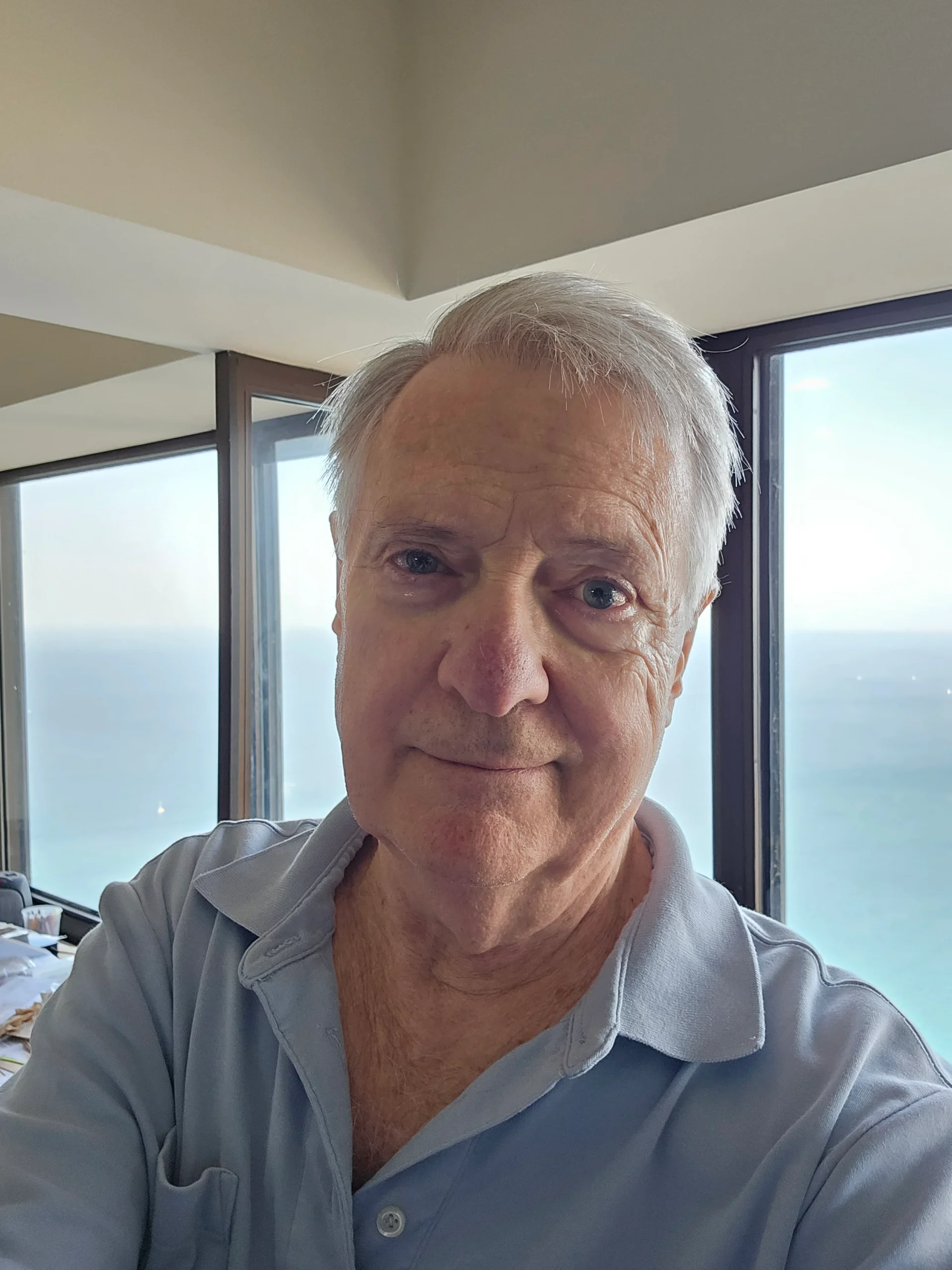
Rachel Carson woke the public up to environmental dangers with her famous book Silent Spring. Decades later, colleague Richard (Max) Melstrom gave Donald W. Jones an idea. He suggested a new environmental economics book to answer the next big question. Now that we know the dangers, what can we actually do about them?
This question is the foundation of Healthier, Happier and Smarter. The answers come from four decades of hard research into how people and markets actually behave.
In 1989, the U.S. Department of Energy released a major study on climate change policy. The study looked at what governments could do to encourage private sector action. It weighed the real costs and chances of success for different environmental regulations. Donald wrote five chapters and the executive summary for this report. It was cited for nearly twenty years and set the stage for his entire career.
Donald spent twenty years as an environmental economist at Oak Ridge National Laboratory. He worked alongside ecologists and engineers to test how policies work in the real world. His goal was always to find practical ways to turn promising ideas into measurable improvements.
Good engineering does not always mean good policy. Donald tested well-meaning ideas against real human behavior.
In the 1980s, developers promoted improved cooking stoves in developing countries to save forests. The better technology seemed to save fuel. However, Donald found that changes in fuel prices and household spending often canceled out those savings. A technical fix does not always create a better environment.
His energy conservation studies showed that developing countries do not have to follow the heavy pollution paths taken by Europe and the United States. Different resources and modern technology offer new choices.
Many people blamed new roads for forest destruction in the Brazilian Amazon. But when Donald surveyed family farms in Rondônia, he found a different story. Farmers who owned their land the longest did not always clear the most forest. This proved we need facts before we try to fix a problem.
Working with David Greene, Donald studied the hidden costs of transportation like air pollution and traffic jams. They learned that knowing the cost does not automatically give us the right answer. Sometimes, changing vehicle emission standards works much better than a wide tax on driving. It all depends on understanding how the damage happens in the first place.
Donald and his team looked at cleaning up nuclear waste. They found that cheaper cleanup methods could actually increase long-term risks if they encouraged people to store waste instead of treating it. The incentives must be right for a policy to succeed.
Donald co-directed a major University of Chicago study comparing the costs of new nuclear power plants with coal and natural gas. The research mapped out the practical choices we face to keep the lights on while limiting environmental damage.
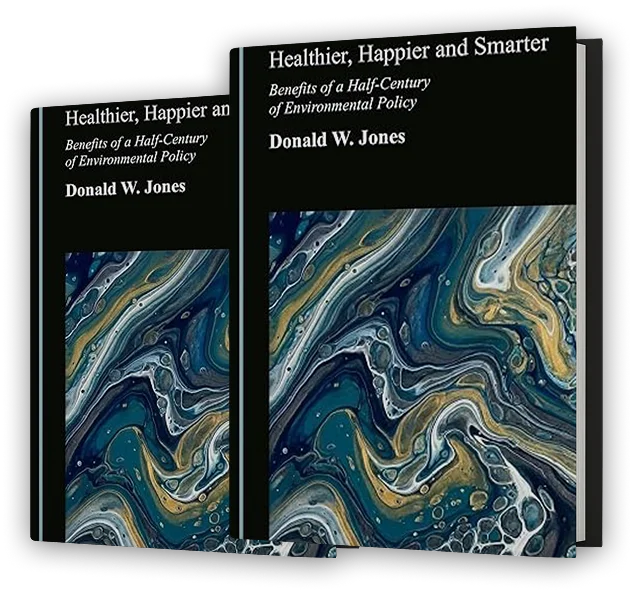

Across all this research, Donald keeps asking the same thing. What happens when we put an environmental policy into action? Knowing the answer helps us pick the best environmental solutions and avoid the ones that fail.